
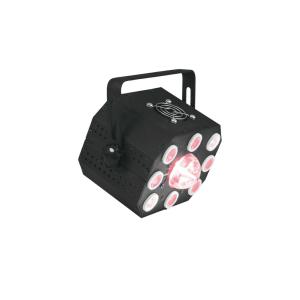
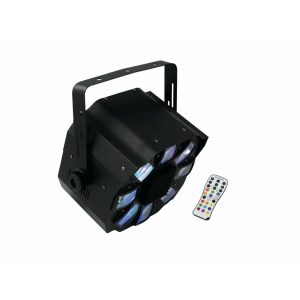
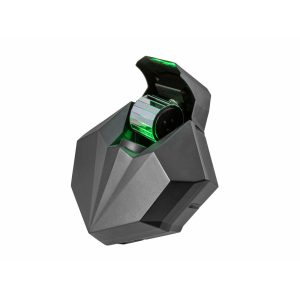
Lighting effect
Lighting Effects – Creating Atmosphere and Emotion in Entertainment
Lighting effects have become an essential part of many forms of entertainment and art. Whether in concerts, theater performances, films, or even architecture, lighting plays a crucial role in setting the right atmosphere and conveying emotions and meaning to the audience. In this article, we’ll look at some of the most common lighting effects and how they are used in different contexts.
Color Changes
One of the most basic yet powerful lighting effects is color change. By using different colors, artists and designers can create a wide range of moods and emotions. For example, blue light can evoke a sense of calm and coolness, while red light can express warmth, passion, or intensity. In theater, changing colors can also be used to suggest shifts in time, setting, or location.
Shadows and Depth
The use of shadows is another classic lighting effect. By placing light sources at different angles, designers can create shadows that add depth and dimension to a scene. This technique is especially effective for building suspense, mystery, or dramatic tension.
Strobe Effects
Strobe lighting – where light rapidly switches on and off – is a popular effect in concerts, dance performances, and clubs. It creates the illusion of motion, enhances energy on stage, and can amplify the intensity of fast-paced music or choreography.
Moving Lighting Effects
Moving effects, where lights are programmed to pan, tilt, or rotate, are a staple in modern stage lighting. They help capture the audience’s attention, add dynamic transitions, and transform the atmosphere of a performance or event in real time.
Conclusion
Lighting effects play a vital role in entertainment and art. Through the clever use of colors, shadows, strobes, and moving lights, artists and designers can strengthen the atmosphere and emotion of their work, creating unforgettable experiences for audiences.