
Guitar strings
Guitar Strings – Essential for Tone and Playability
Guitar strings are the vibrating elements that produce sound when plucked, strummed, or picked. They are one of the most important parts of the instrument, directly shaping its tone, feel, and playability. Strings are typically made from steel, phosphor bronze, nickel, or nylon, depending on the type of guitar and the sound you want to achieve.
Types of Guitar Strings
Steel Strings
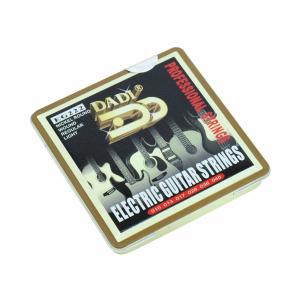
Commonly used on electric guitars and steel-string acoustics (also known as western guitars). Available in gauges such as light, medium, or heavy, they produce a bright, powerful tone ideal for rock, blues, country, and genres where projection and articulation are key.
Nylon Strings
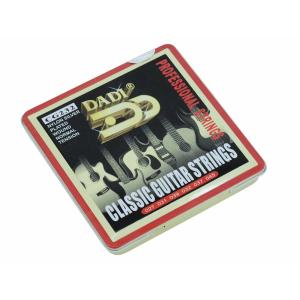
Designed for classical and flamenco guitars, nylon strings deliver a soft, warm sound with smooth playability. Perfect for classical, Spanish, and fingerstyle music.
Phosphor Bronze Strings
Popular for steel-string acoustic guitars, these strings combine warmth and richness with excellent projection. Loved by singer-songwriters, folk, and Americana musicians for their balanced tone.
Nickel Strings
A go-to choice for electric guitars, nickel strings offer a clear, balanced sound with smooth bending and long-lasting durability. Highly versatile across many styles.
String Gauge and Playability
Guitar strings are available in different gauges (thicknesses), such as .010, .011, or .012.
Thicker strings create a fuller, louder tone but require more finger strength.
Thinner strings are easier to bend and provide a brighter sound, making them popular among lead guitarists.
The choice of string type and gauge depends on your playing style, instrument, and personal preference.