
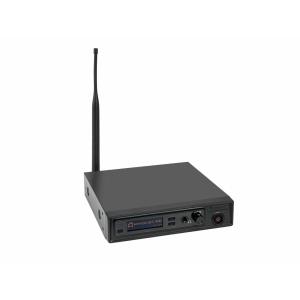
In-ear monitor
In-Ear Monitoring – Professional Sound Control for Live Performances
In-ear monitoring (IEM) is a method of listening to live music through earphones placed directly in the ear. It has become highly popular among artists, musicians, and sound engineers working on live performances.
Advantages of In-Ear Monitoring
Compared to traditional stage monitors, in-ear monitoring offers several benefits:
Superior sound quality with clearer audio reproduction
More control over individual volume levels and mixes
Reduced stage volume, helping to prevent hearing damage
Consistent sound regardless of stage position
With IEM, performers hear exactly what they need, resulting in tighter performances and better overall sound on stage.
How Does In-Ear Monitoring Work?
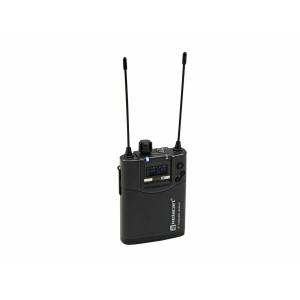
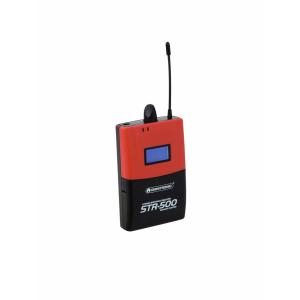
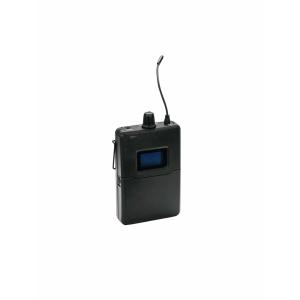
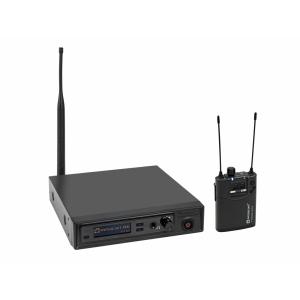
An in-ear monitoring system typically consists of:
A transmitter that sends the audio signal wirelessly
A receiver built into the earphones
A mixer that allows the performer to adjust levels and balance between instruments and vocals
This setup gives musicians full control over what they hear during a show.
Considerations and Drawbacks
While in-ear monitoring offers significant advantages, there are a few things to consider:
Cost – High-quality systems can be expensive to purchase and set up
Comfort – Wearing earphones for extended periods may feel uncomfortable
Hearing safety – If levels are set too high, ear damage can still occur
Why In-Ear Monitoring Is Essential
Despite these drawbacks, in-ear monitoring has become an indispensable tool in modern live performances. It not only provides improved sound quality and personal control but also contributes to the hearing health of performers by reducing stage volume.
For professional musicians and technicians, in-ear monitoring is a must-have for achieving a reliable and high-quality live sound experience.