
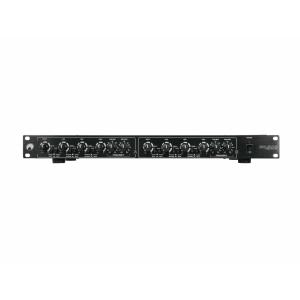
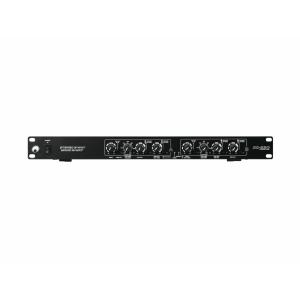
Crossovers
What Is a Crossover in Audio? – Essential for Clear and Balanced Sound
As an audio enthusiast, you’ve probably heard the term crossover before. A crossover is an essential component of any loudspeaker system, ensuring that different frequency ranges are distributed correctly across the right speakers.
There are two main types of crossovers: active and passive. The difference lies in how they split the frequencies:
An active crossover processes frequencies electronically and requires its own power supply.
A passive crossover uses resistors, coils, and capacitors to divide frequencies without an external power source.
How Does a Crossover Work?
In an audio context, a crossover is an electronic circuit that divides the sound signal from your audio source and routes the correct frequencies to the appropriate speakers. Filters separate the frequencies so that high tones go to tweeters, midrange tones to mid speakers, and low frequencies to subwoofers. This results in a more balanced sound and a clearer listening experience.
Where Are Crossovers Used?
Crossovers come in many forms and are applied in different audio setups:
Hi-fi systems for home use
Professional sound systems in concert halls and festivals
Car audio systems for optimized in-vehicle sound
Choosing the Right Crossover
When selecting a crossover, it’s important to consider the type of speakers you’re using and the frequencies they handle best. Always look for a crossover that matches your speaker specifications. Many brands offer crossovers at various price points, so it’s wise to get proper advice before making a purchase.
Why a Crossover Is Essential
A crossover is a crucial part of any loudspeaker system. It ensures proper frequency distribution, resulting in clearer, more accurate sound reproduction. Whether you’re building a home hi-fi setup or managing professional audio equipment, a quality crossover is indispensable. Make sure to choose a model that fits your speaker specifications for the best results.